Find inspiration and expert advice on how to get the most out of your digital advertising
WTF is Google Topics?
Google’s targeting solution, FLoC, will be replaced by Google Topics. In this article, we'll cover the differences and what it means for advertisers.
The Top 6 Digital Marketing Trends of 2022
How can you benefit from the latest trends in programmatic advertising? Here are the 2022 innovations in programmatic ad formats and strategies and how you can be a winner by the end of the year.
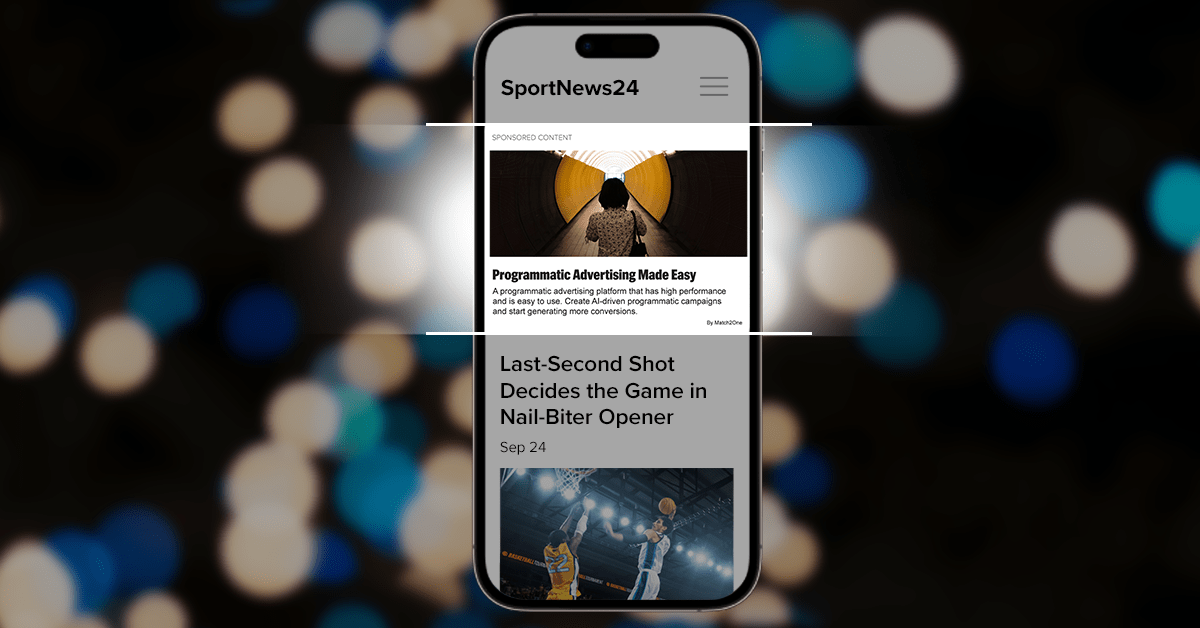
What is Native Advertising? The Ultimate Marketers Guide For 2024
Find out the ins and outs of native advertising with this article. Read about the top 4 trends for 2021.
Digital marketing post third-party cookies – a 2024 update
How will the removal of 3rd party cookies affect digital advertising? This article explores the future solutions that benefit advertisers while at the same time increasing user privacy.
6 Ways to Spy On Your Competitor’s Ads
These are the hacks experts use to spy on the competition and create banners and display ads that make your conversions skyrocket.
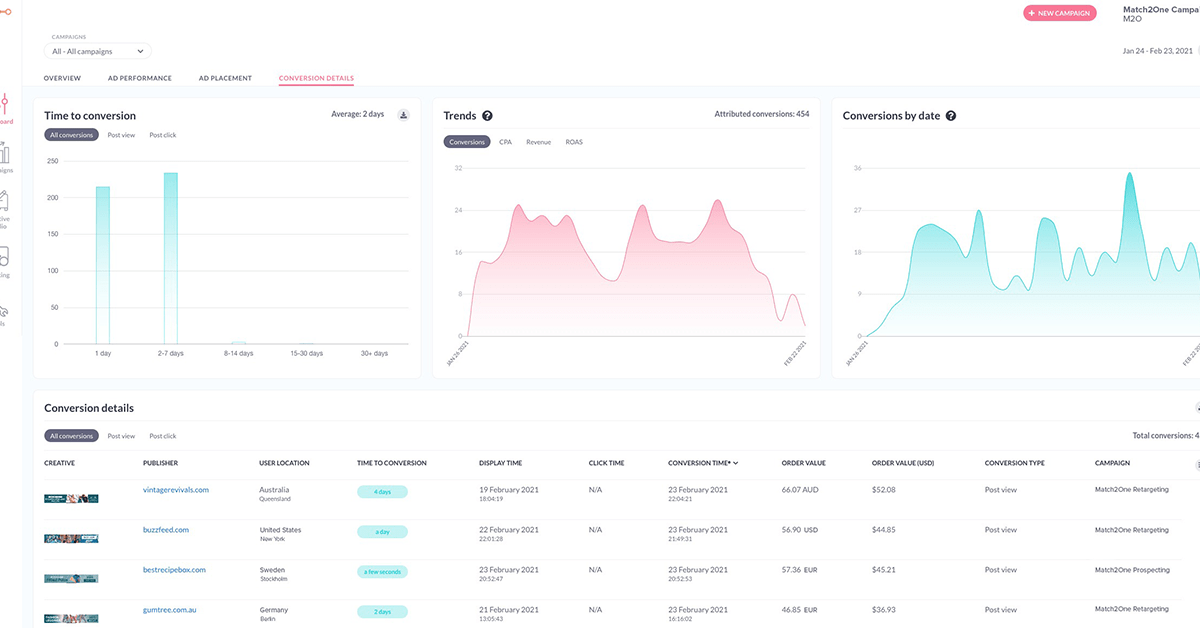
The Programmatic Platform for Modern Marketers
Get to know the ins and outs of Match2One's platform and how to cost-efficiently maximise your campaigns.
What is Return On Ad Spend (ROAS)? The ultimate 2022 guide.
ROAS gives you insight to if your campaigns are generating revenue. Learn all about how to apply ROAS in your programmatic campaigns here.
All You Need to Know About In-housing Programmatic
Learn the benefits and pitfalls of the in-housing process and much more. In this article we explore the ins and outs of programmatic in-housing.
Digital Advertising in the Post-Corona Landscape
Learn how to maximize your marketing efforts in a time of lower budgets, reduced agency involvement and decreased demand.